"How many conversations are needed to see accurate patterns … to know we're sampling an appropriate number of people?"
Many museum professionals wrestle with this question when conducting qualitative research. There's no universal answer, yet decisions must be made — often with imperfect information and limited resources.
This Research Roundtable addresses practical questions about research sufficiency: How many people should we talk to? When have we reached saturation? What level of certainty do we need before making decisions?
Who This Event Is ForThis Research Roundtable is open to all MaP community members. It will be particularly valuable for those who:
- Are currently collecting or planning to collect qualitative data
- Want to make evidence-based decisions with limited research resources
- Need to explain research decisions to stakeholders or leadership
- Are interested in balancing rigor with practicality
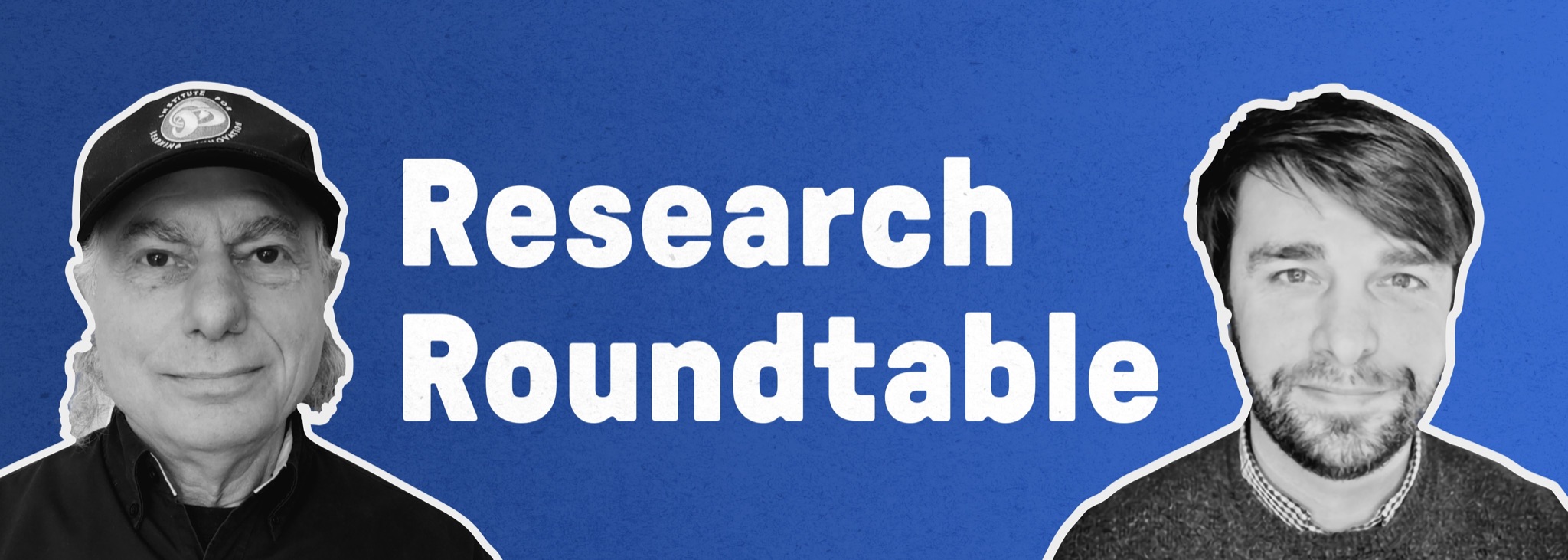
What to ExpectIn this 50-minute session, Dr. John Falk and Kyle Bowen will facilitate a discussion with two distinct parts:
Part 1: Data Sufficiency Discussion (30 minutes)We'll explore practical approaches to determining "enough" research:
- Sample size considerations for different research contexts
- Signs of data saturation in qualitative studies
- Balancing statistical significance with practical significance
- Approaches for making decisions under uncertainty
Part 2: Open Implementation Q&A (20 minutes)Bring your specific research implementation challenges — whether about sample sizes or any aspect of your community research work. This is your opportunity to:
- Get targeted guidance from John and Kyle
- Learn from peer experiences and solutions
- Address specific methodological questions
- Share research approaches that have worked in your context
How to Prepare1. Consider a recent learning initiative and what determined your "enough" threshold
2. Identify specific implementation challenges you're facing in your research work
3. Be ready to share brief context about your situation
No challenge is too small or early-stage to discuss. Often, methodological questions reveal important strategic insights for the whole group.
Making the Most of Research Roundtables• Come with a specific challenge, even if it feels "basic"
- Share implementation attempts, even if they weren't successful
- Be ready to learn from peer experiences
Research Roundtables work best when participants bring real challenges rather than waiting for "perfect" questions. The most valuable discussions often start with "I'm not sure if this is worth bringing up, but..."
While these sessions are optional, consistent participation helps build momentum and ensures you get maximum value from the program.
Space is limited to ensure meaningful discussion. If the event reaches capacity, leave a comment below ("add me") and we'll notify you about future Research Roundtables on this topic.